

















James Kelly for Closets by Design
The state of the nation's moving trucks tell two stories these days: First, there are fewer of them in use, and second, most are headed in the same direction.
Americans are moving their place of residence at the lowest rate since recordkeeping began in 1948. But the folks still on the go pour into Texas, Florida, and the Southeast. Counties in five Southern states — Florida, Georgia, North Carolina, South Carolina, and Texas — have increasingly topped domestic migration rankings since 2021, according to the Census Bureau.
Closets by Design examined how U.S. residents are moving less frequently and how Americans find packing all their belongings to be the most frustrating part of relocating.
Only about 11% of U.S. residents changed homes in 2024, the lowest share on record, according to a Point2Homes analysis of census data. A decade ago it was around 14%, while in the 1960s it was closer to 20%.
Housing costs explain much of the drop. Harvard's Joint Center for Housing Studies found the 2024 decline was driven by 320,000 fewer homeowners moving, “disincentivized by high interest rates and home prices,” wrote senior research analyst Riordan Frost. Without fundamental changes in the housing market, he added, “lower household mobility will become entrenched.”
“The sharp decline in geographical mobility is the single most important social change of the past half century,” wrote Yoni Appelbaum, deputy executive editor of The Atlantic and author of “Stuck,” a book about why Americans have stopped moving.
Still, a smaller share of a very large country is an enormous number of moving trucks. Tens of millions of Americans relocated last year, and the destinations are concentrated. U-Haul's Growth Index, compiled from more than 2.5 million one-way rental transactions, ranked Texas the top growth state of 2025, followed by Florida, North Carolina, and Tennessee.
“We continue to find that life circumstances — marriage, children, a death in the family, college, jobs and other events — dictate the need for most moves,” John “J.T.” Taylor, president of U-Haul International, said in a released statement.
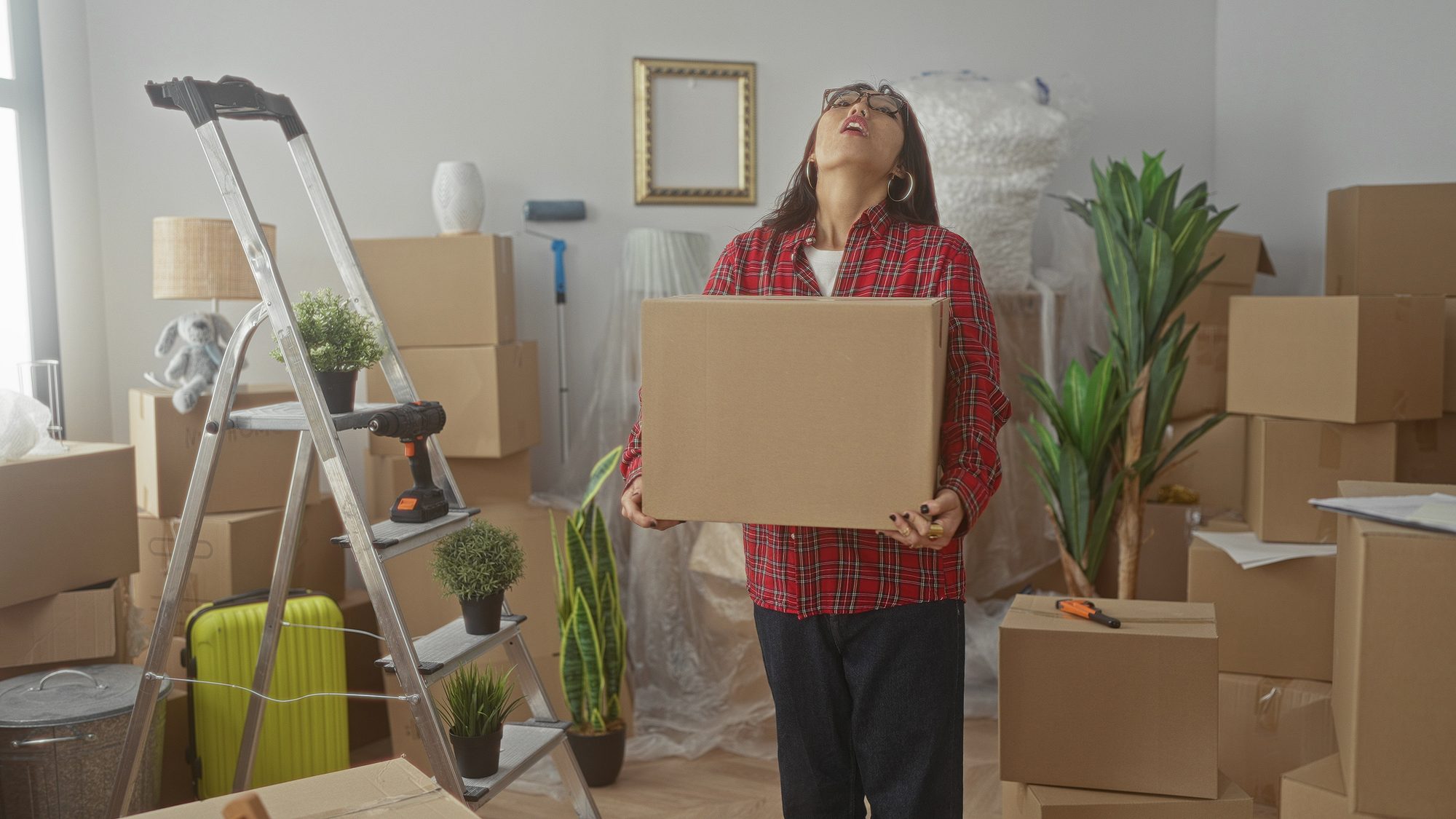
For those households, the drive may be the easy part. In Duck Brand's 2025 State of Moving survey, more than two-thirds of Americans said they would rather do almost anything else than pack, including jury duty or a root canal. Nearly three-quarters of respondents reported damage from poor-quality moving supplies along the way.
“While the financial strain is a large piece of the moving puzzle, what's interesting is that 1 in 4 people still say packing everything up is the most frustrating part of moving,” Heather Hammond, a senior manager at Duck Brand, said in a statement.
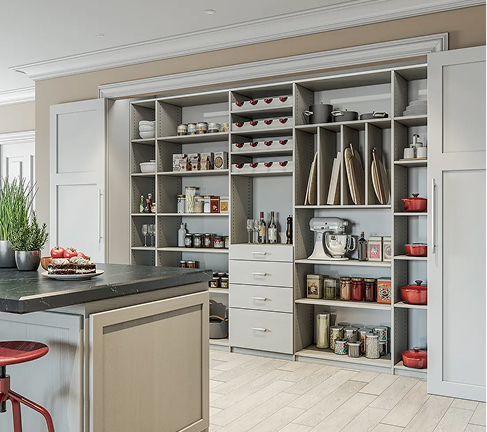
Expert organizers say the solution to unpacking is to do it by daily function instead of box by box.
“I always recommend tackling the kitchen first,” said Olivia Parks, owner of Professional Organizer New Orleans, in a guide to unpacking after a move. “It's usually the toughest, but it makes the whole space feel more like home once it's done.”
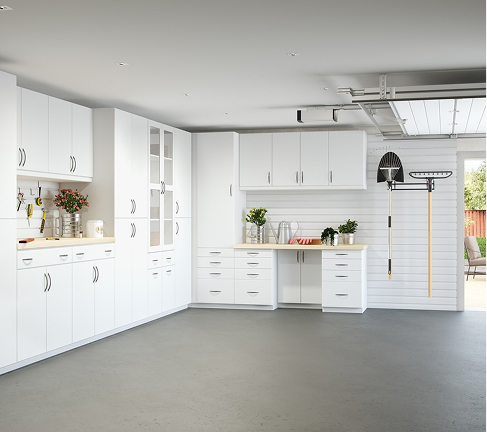
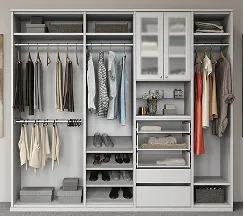
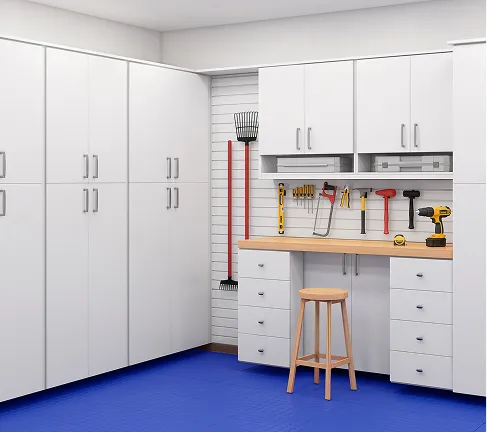
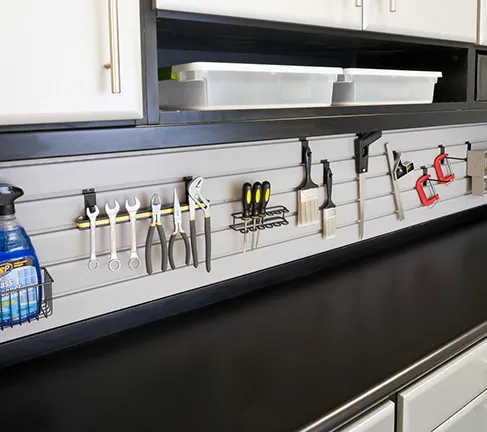
Bedrooms and bathrooms come next, and the home office has climbed higher on the list as hybrid work schedules have settled in for good. “The Pandora's box of working from home has been opened,” Stanford economist Nicholas Bloom told Fortune. “Many firms are now permanently adopting hybrid for professionals and managers.” Once the necessities are set, the garage is last. Not much that lives there is needed every day, with the possible exception of your car (if it actually fits).
Decisions made in those first weeks tend to stick, and putting them off can get pricey, from renting a unit for the overflow to making duplicate purchases of things you own but cannot find. Storage is a cost most households have started to weigh against everything else.
“When affordability becomes the most-selected feature, it suggests many consumers are now treating storage as a discretionary expense that must compete with other household costs,” Doug Ressler, business intelligence manager at Yardi Matrix, told StorageCafe. An analysis of survey data about storage renters from StorageCafe found 30% of renters and 20% of homeowners cite relocation as the reason they rent extra space for their stuff.
So save some money and get unpacked as soon as possible by following what unpacking guides call the touch-it-once rule: Put any item where it's going to live the first time you pick it up, instead of setting it down to deal with later. Setting it down only makes the work drag on, because eventually, you'll have to pick it up again.
For the millions headed to states like Texas, Florida, and Tennessee this year, the rule is simple: The move doesn't end when the truck is empty, but when the boxes are.
This story was produced by Closets by Design and reviewed and distributed by Stacker.