














James Kelly for Closets by Design
Feeling anxious and can’t figure out why? It might be that mess in the living room.
“As clutter increases, so do stress and anxiety,” Jillian Amodio, a licensed master social worker, therapist and founder of Moms for Mental Health, explains to Closets by Design.
A growing body of research backs her up, linking household clutter to measurable changes in stress, focus, and mood.
In a study published in Personality and Social Psychology Bulletin, researchers affiliated with UCLA's Center on Everyday Lives of Families found that women who described their homes with words like "cluttered" and "unfinished" showed daily cortisol patterns that were associated with chronic stress. Their moods also showed a decline over the course of the day. People who described their homes in terms of rest, relaxation, and organization showed the opposite pattern.
Those small hormone changes can cause big trouble, says Amodio. “Increased levels of stress can lead to irritability, poor quality of sleep, strained or tense relationships.”
But the effect reaches beyond stress hormones. “Visually crowded spaces continually pull on our attention,” says therapist Jessica Ronyak, a licensed mental health counselor and licensed professional clinical counselor.
Indeed, Neuroscientists at Princeton University reported in the Journal of Neuroscience that visual clutter competes for the brain's limited attention, reducing its ability to focus and process information.
In practical terms, a crowded desk or countertop is not just an eyesore. “This constant pull can create a low-grade strain on our mental capacity,” says Ronyak, “especially when we’re already focusing on so much.”
In experiments, participants performing tasks in organized settings outperformed those surrounded by visual noise, even when the clutter had nothing to do with the task at hand.
Clutter also appears to shape how people feel about home itself. “Clutter can cause shame or self-criticism,” Ronyak says. A 2016 study in the Journal of Environmental Psychology found that people reporting more clutter felt less comfort and security in their homes and reported lower life satisfaction overall.
“We see clutter as something ‘bad’ or embarrassing,” Ronyak explains, “then internalize it as a personal failure rather than a situational one.”
Related research in Current Psychology has tied clutter to procrastination in adults of every generation, suggesting the pile and the delay feed each other. Amodio notes that “poor performance, missed deadlines, trouble prioritizing, task abandonment, falling short of goals, or behind on tasks and obligations,” are often the result.
A 2025 study in the Journal of Environmental Psychology is careful about the direction of the arrow. Clutter does not cause depression, and an organized closet is not a treatment for anxiety or any other condition. What the evidence describes is closer to a loop. Francis Quinn of Robert Gordon University writes that low well-being may lead to more clutter, "which in turn makes well-being worse."
It’s “an ongoing and unintentional strain that can hinder concentration and energy levels,” says Stephanie Steele-Wren, who has a professional doctoral degree in psychology and a health service provider in psychology certification. Stress makes it harder to keep things in order. The disorder that results becomes its own low hum of stress, quietly making everything else harder.
This cycle points toward modest, repeatable habits as a solution rather than dramatic, home improvement show-style overhauls.
“Start with just one surface, like a bedside table or a section of your bathroom counter, and celebrate those little wins,” suggests Steele-Wren.
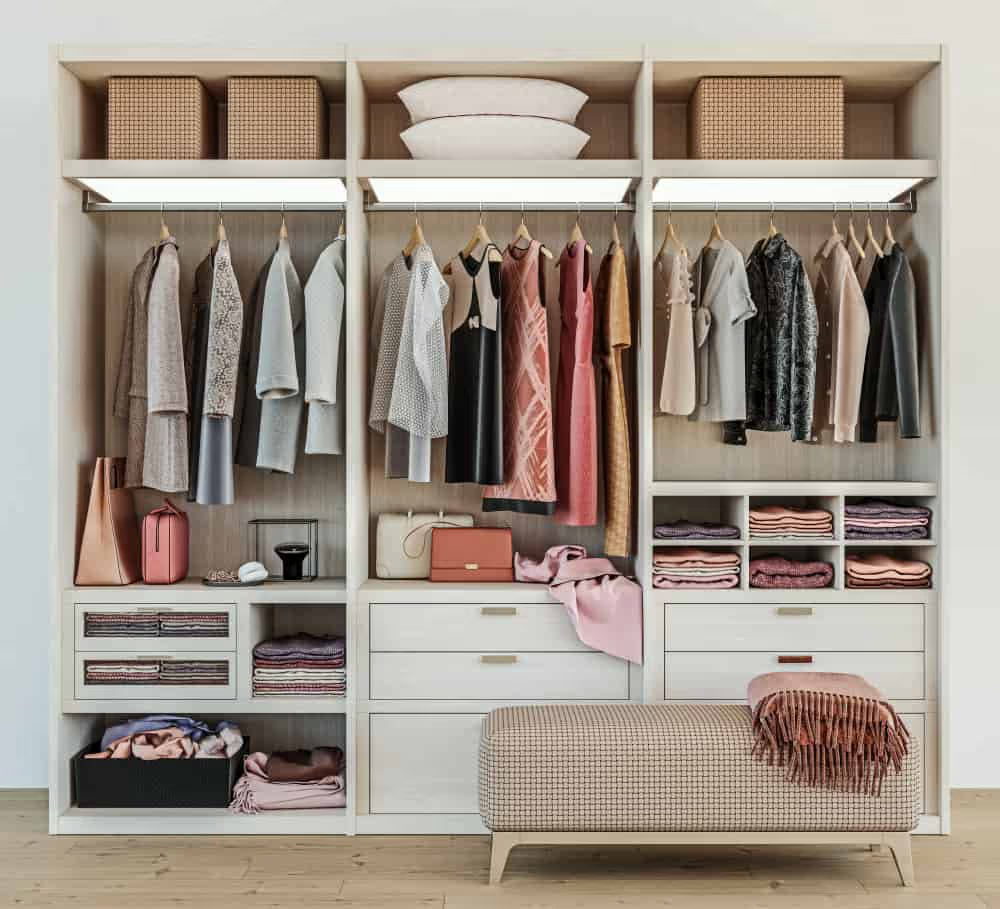
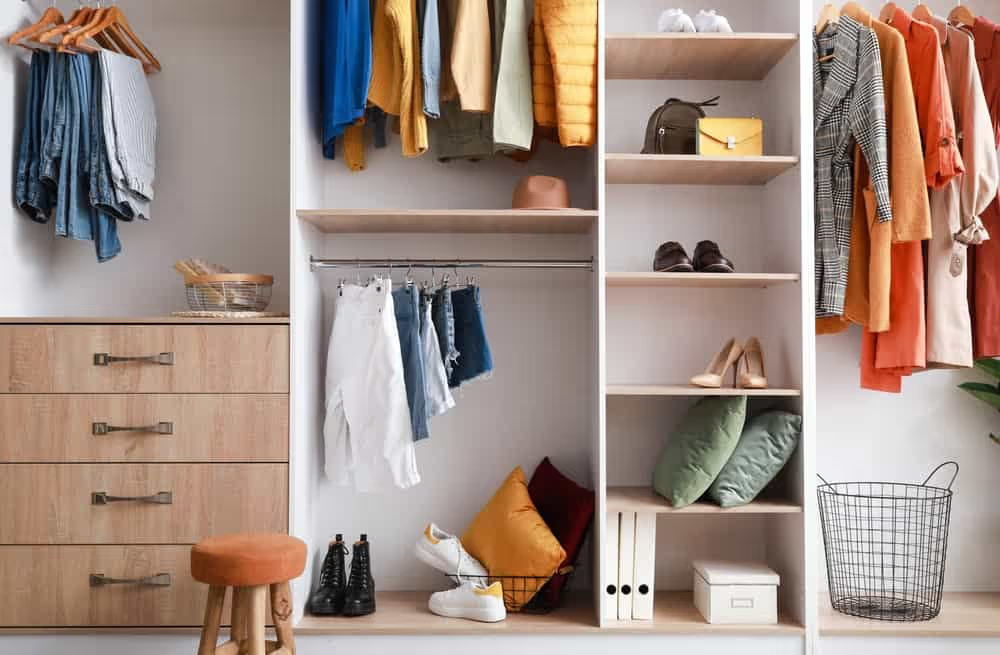
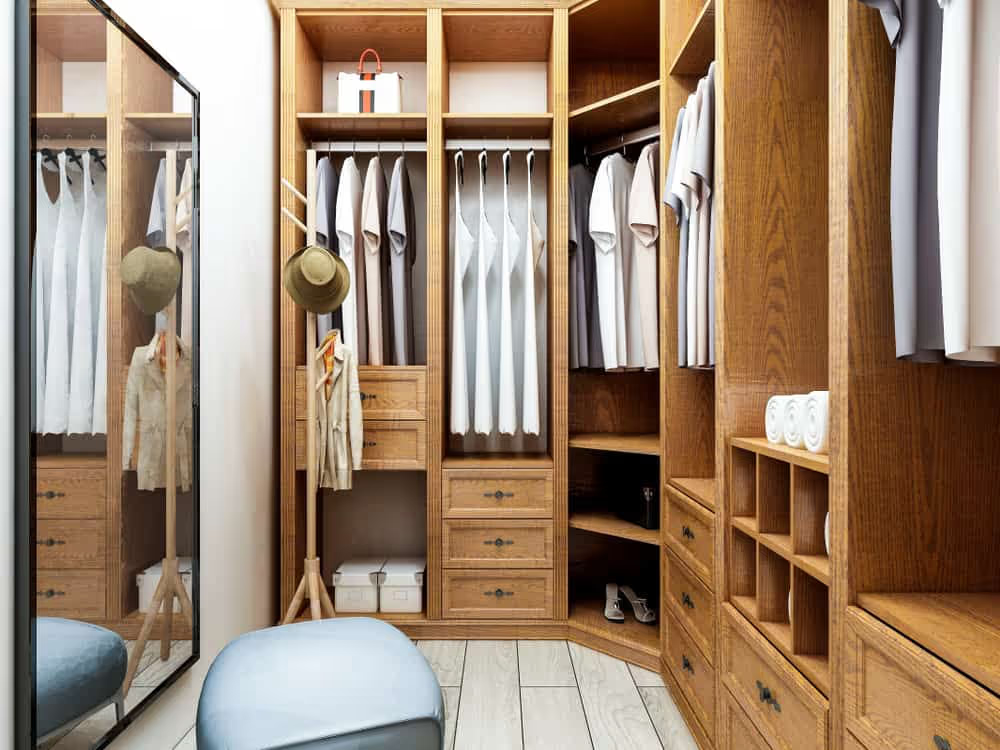
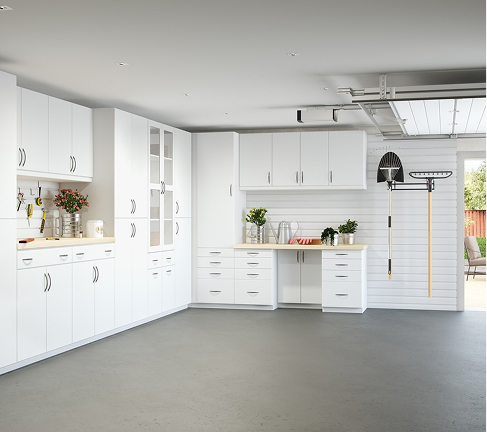
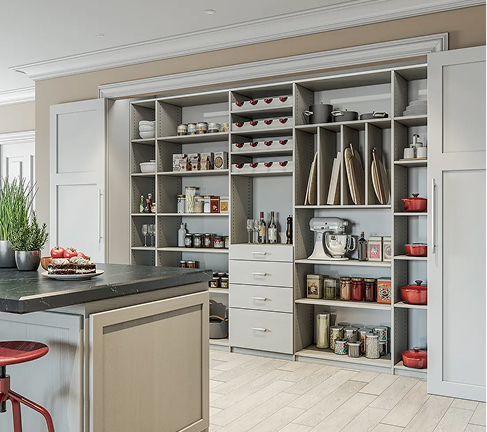
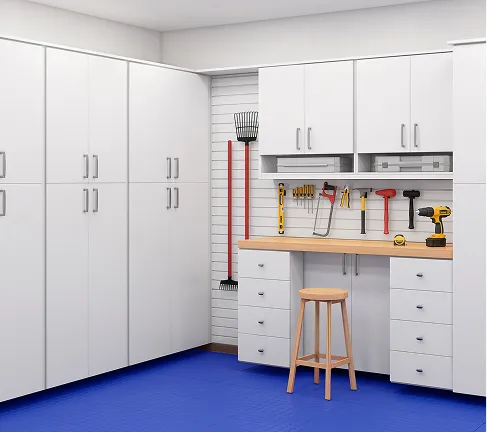
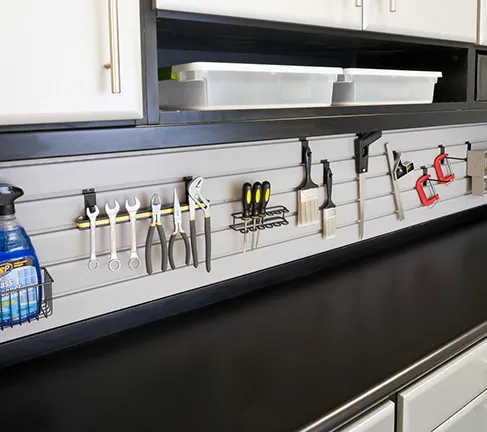
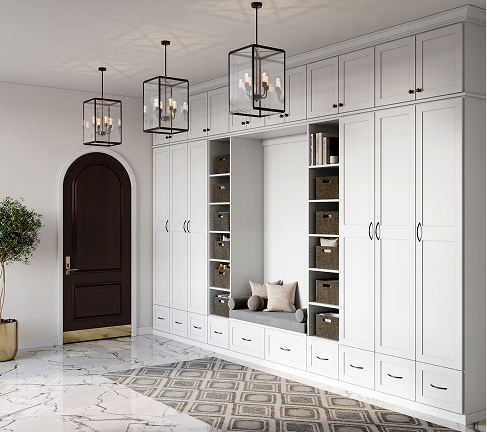
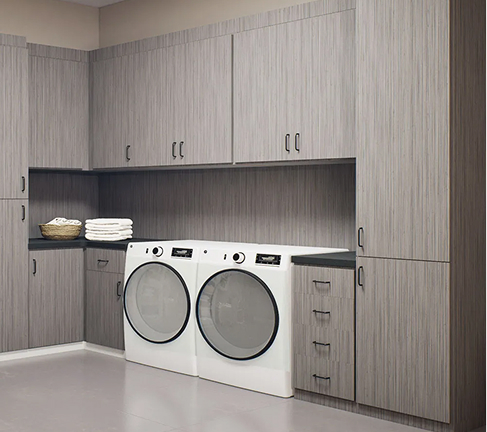
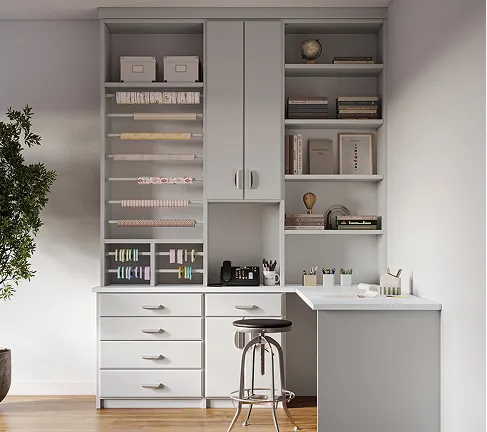
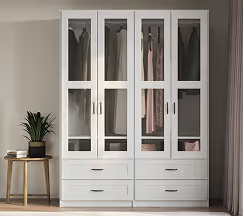
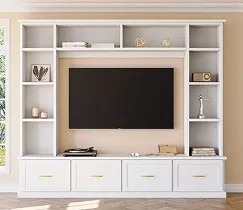
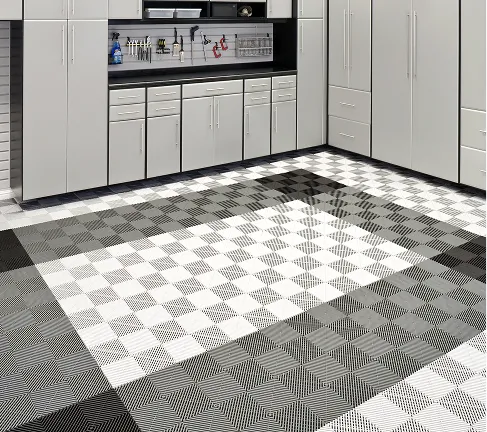
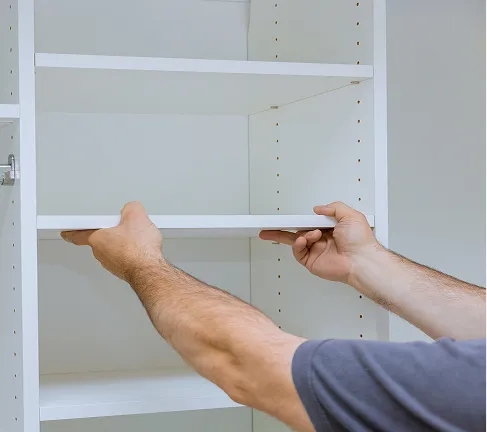
Storage design plays a role as well. Giving every category a designated place removes the daily decision-making that lets clutter accumulate.
Above all, Ronyak suggests progress, not perfection. “Instead of aiming for total completion, set short time frames, like decluttering for just 10 minutes before taking a break.” The goal is to keep at it consistently, and the research suggests the payoff is more than cosmetic. A more organized home, the data indicates, tends to be a calmer one.
“A perfectly tidy home isn’t necessary for good mental health,” Steele-Wren says. “What really matters is having a space that soothes rather than stresses you.”
This story was produced by Closets by Design and reviewed and distributed by Stacker.