





















How do you make clothes last longer?
Clothes last longer when they are washed less often and more gently, dried without heat and stored in a way that suits each garment. Six of the seven habits below are about care. The seventh, storage, is the one that protects everything the other six achieve.
Most damage to clothing happens quietly, in the wash, in the dryer and in a crowded closet where garments are crushed, stretched and faded by light. For the wider picture on how many clothes Americans own, and how to store them, see the recent Closets by Design report.
1. Wear clothes more than once before washing
Most garments do not need washing after a single wearing. Every wash cycle abrades fibers, loosens seams and dulls color. The fewer cycles a garment sees, the longer it keeps its shape and color.
Denim, knits, trousers and anything worn over another layer can be aired and hung rather than washed. A coat hook in the closet for pieces between wearings keeps them off the chair and out of the hamper.
2. Wash in cold water
Cold water cleans most everyday clothing well and is gentler on fibers and dyes than hot water, which can cause fading and shrinkage. Reserve warm or hot cycles for bedding and towels, and let clothing run cold. The difference shows first in dark colors, which hold their depth when never exposed to heat.
3. Skip the dryer when you can
Heat is the most destructive stage of laundry. Air-drying on a rack or a line avoids the shrinkage, pilling and weakened elastic that tumble-drying causes over time. Some fabrics like linen are much better to air dry, even compared to a dryer on low heat or delicate settings. Lay knits flat so they do not stretch under their own weight, and hang shirts to dry so they need less pressing. A laundry room with a drying rod or a flat surface makes this habit easy to keep.
4. Follow care labels and sort laundry
Care labels tell you the water temperature, cycle and drying method a garment was made for, and sorting by color and fabric weight keeps heavy items from abrading delicate ones.
Sort darks from lights, towels and denim from knits and blouses, and wash delicates in a mesh bag or by hand. A hamper divided for lights, darks and delicates removes this step that most people skip.
5. Treat stains immediately, and blot rather than rub
Stains set with time and heat, so treat them as soon as possible, and blot with a clean cloth rather than rubbing, which pushes the stain deeper and damages the fabric's surface.
Keep a stain remover and clean clothes in the laundry room so the response is immediate. Never put a stained garment through the dryer until the stain is gone; heat fixes it.
6. Learn basic repairs
A loose button, a dropped hem or a small seam opening are simple repairs that return a garment to service rather than retiring it.
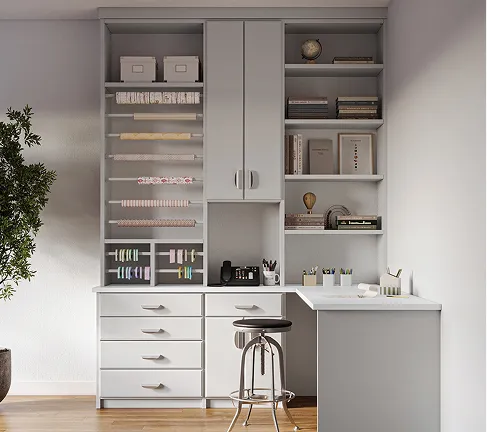
Keep a small sewing kit in a closet drawer so repairs happen when you notice the problem. For tailoring, relining or leather, a good local tailor or cobbler will extend the life of a well-made piece. A specialty drawer is the natural home for the kit, spare buttons and the pieces waiting for attention.
7. Store clothing properly
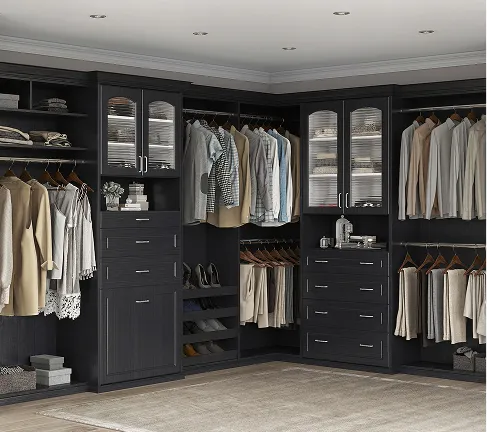
Proper storage means giving each garment the support it needs, hanging or folded, in a closet that keeps dust and light off the fabric and lets you see what you own, so nothing is crushed, stretched or forgotten.
This is where care becomes design. A closet with a single rod and a shelf forces every garment into the same treatment regardless of what it needs. A closet designed around the wardrobe gives each category its own method of storage and protects the investment the other six habits have been making.
Hang or fold, by garment
Hang what creases and fold what stretches. Use fabric hangers for lightweight pieces and shaped wooden hangers for heavy items such as suits and coats, and keep everything out of direct sunlight, which fades dyes and weakens fibers.
| Garment | Hang or fold | Why |
|---|---|---|
| Suits, blazers and coats | Hang on shaped wooden hangers | The weight needs shoulder support to hold the tailoring |
| Dress shirts and blouses | Hang on fabric hangers | Prevents creasing; a soft hanger protects fine fabric |
| Dresses | Hang, full length | Avoids creases; heavily embellished pieces may be folded |
| Knit sweaters | Fold | Hanging stretches the shoulders and lengthens the body |
| T-shirts and casual knits | Fold | Light knits stretch at the neck and shoulders when hung |
| Trousers and denim | Hang on a pants rack, or fold | A pants rack keeps creases aligned and the pair visible |
| Delicates and lingerie | Fold in specialty drawers | Protects elastic, lace and fine straps |
| Scarves, belts and ties | Hang on a belt or tie rack | Prevents creasing and keeps them visible |
Drawers, dividers and racks
The closet accessories that do the most for garment life are the ones that stop clothing being crushed. Specialty drawers hold folded knits in a single layer rather than a compressed stack. Dividers keep each stack upright so the bottom sweater is not flattened under the rest. A pants rack holds trousers by the crease and lets you see every pair. Tie and belt racks end the habit of coiling leather and silk into a drawer.
Doors, dust and light
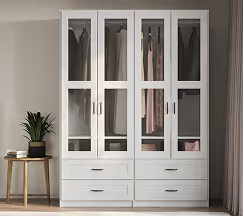
Decorative doors and drawers do more than finish a closet. Closed fronts keep dust off folded garments and light off dyed fabric. Glass fronts, where you want to display, still protect against dust. In humid Southeast markets, closed storage with room for air to move also helps protect fabric from moisture.
Lighting so you can see what you own
Garments that are forgotten are garments that are not worn, and clothing left crushed at the back of a dark shelf ages faster than clothing in rotation. Lighting inside the closet lets you see every piece and notice the loose button before it is lost. In a walk-in closet, lighting over the hanging sections and inside drawers turns the room into a place where the wardrobe is maintained rather than stored.
The laundry room as part of the system
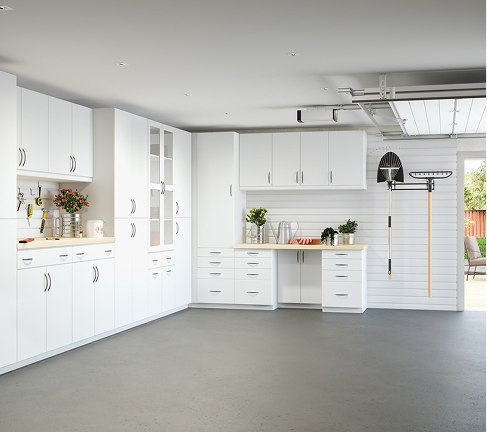
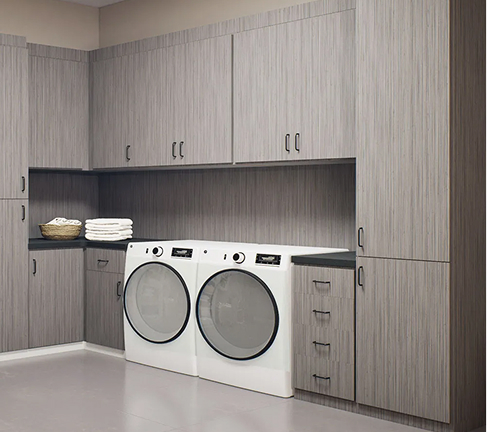
The laundry room is where most of the habits above are kept or broken, so it belongs to the same system as the closet, with divided hampers, a surface for folding and a place to air-dry.
A laundry room designed with sorting in mind makes cold washing, label-following and air-drying the path of least resistance: hampers divided by lights, darks and delicates, a countertop for folding knits flat, hanging space for shirts and a drying rod. When the laundry room and the closet are planned together, clothing moves from body to wash to storage without a chair or a floor in between. The seasonal wardrobe transition depends on it too, since garments should go into storage clean and pressed.
Frequently Asked Questions
What is the single best way to make clothes last longer?
Wash less often and store properly. Fewer wash cycles mean less abrasion and fading, and storage that suits each garment, hung on the right hanger or folded where hanging would stretch it, prevents the slow damage a crowded closet causes.
Does washing in cold water really protect clothes?
Yes. Cold water is gentler on fibers and dyes than hot water, which can cause fading and shrinkage, and it cleans most everyday clothing well.
Should sweaters be hung or folded?
Folded, especially if knit. Hanging stretches the shoulders and lengthens the body of a knit over time. Fold sweaters in a single layer in shallow drawers or on shelves with dividers so the stack does not compress.
How should you store clothes to keep them in good condition?
Hang on fabric or shaped wooden hangers as appropriate, fold knits, keep everything out of direct sunlight and behind doors that keep dust off, and use drawers and dividers so nothing is crushed. A closet designed around your wardrobe does this by default.
Protect the wardrobe you have invested in
Six of these habits are yours to keep. The seventh can be designed in. Arrange a complimentary in-home design consultation and a local Closets by Design designer will plan a closet that stores every garment the way it should be stored.